
慈濟大學 生成式 AI 應用指引 TCU Generative AI Guidelines
慈濟大學Tzu Chi University

生成式 AI 應用指引 Guidelines for the Use of Generative AI

教師・學生・行政人員Faculty · Students · Staff

115年10月2日第223次行政會議訂定通過Adopted at the 223rd Administrative Meeting on October 2, 2026

緣起與目的BACKGROUND AND PURPOSE

因應生成式人工智慧及其核心驅動之 AI 代理人(AI Agent)與自動化應用技術快速發展,為協助本校教職員生於教學、學習、研究與行政工作中,以正向、適切、誠信且負責任地使用 AI 工具,提升教學品質、學習成效、研究能量與行政效率,同時兼顧學術倫理、研究倫理、資訊安全、個人資料保護及智慧財產權,特訂定本指引。

本指引所稱生成式 AI 工具,包括提供文字、圖像、影音、程式碼、分析、推理等生成式人工智慧功能之工具或服務,以及以生成式 AI 為核心之 AI 代理人(AI Agent)及相關應用。

In response to the rapid development of generative artificial intelligence (AI) and of the AI agents and automated applications it powers, these Guidelines are established to support faculty, staff, and students of Tzu Chi University in the positive, appropriate, ethical, and responsible use of AI tools in teaching, learning, research, and administrative work. The Guidelines aim to enhance teaching quality, learning outcomes, research capacity, and administrative efficiency while safeguarding academic integrity, research ethics, information security, personal data protection, and intellectual property rights.

For the purposes of these Guidelines, generative AI tools include tools or services that provide generative AI capabilities such as text, image, audio and video, code, analysis, and reasoning, as well as AI agents built on generative AI and related applications.

全校適用FOR EVERYONE

五項基本原則Five General Principles

不論身分與用途,使用生成式 AI 都從這五件事開始。

Whatever your role or purpose, every use of generative AI starts with these five principles.

教師與 AI 機器人一同思考,旁邊是大腦、天秤與盾牌圖示
  1. 人為主體,AI 為輔助Human-Centered, AI-Assisted

    AI 應作為輔助思考、學習、教學、研究與行政工作的工具,不應取代人的專業判斷、原創思考與責任。

    AI should serve as a tool to support thinking, learning, teaching, research, and administrative work. It should not replace human professional judgment, original thinking, or accountability.

  2. 查證生成內容Verify AI-Generated Content

    AI 可能產生錯誤、過時、虛構、偏誤或來源不明的內容,使用者應確認正確性、可靠性與適用性。

    AI may generate inaccurate, outdated, fabricated, biased, or inadequately sourced content. Users should verify the accuracy, reliability, and applicability of AI-generated content before using it.

  3. 維護誠信並適當揭露Maintain Integrity and Provide Appropriate Disclosure

    不得利用 AI 進行代寫、代答、抄襲、偽造資料或虛構引用;應依課程、研究、出版或業務規範揭露使用情形。

    AI must not be used for ghostwriting, answering on behalf of others, plagiarism, data fabrication, or the creation of fictitious citations. The use of AI should be disclosed in accordance with applicable course, research, publication, or administrative requirements.

  4. 保護資料與尊重權利Protect Data and Respect Rights

    使用 AI 時,應遵守個人資料保護、資訊安全、智慧財產權、研究倫理及相關規範。

    When using AI, users should comply with requirements related to personal data protection, information security, intellectual property rights, research ethics, and other applicable regulations.

  5. 承擔最終責任Assume Final Responsibility

    所有 AI 輔助完成的內容,均應由使用者或權責單位審核、修正並負責。

    All AI-assisted content should be reviewed and, where necessary, revised by the user or responsible unit. The user or responsible unit remains ultimately accountable for the final content and its use.

教師篇FACULTY

教師面Guidelines for Faculty

教師得依課程目標、專業領域、學生程度、評量需求及研究情境,規劃 AI 的適切用途與限制,並維持教學專業自主及學術判斷。

Faculty members may determine appropriate uses and limitations of AI based on course objectives, disciplinary characteristics, students' levels, assessment requirements, and research contexts, while maintaining professional autonomy in teaching and academic judgment.

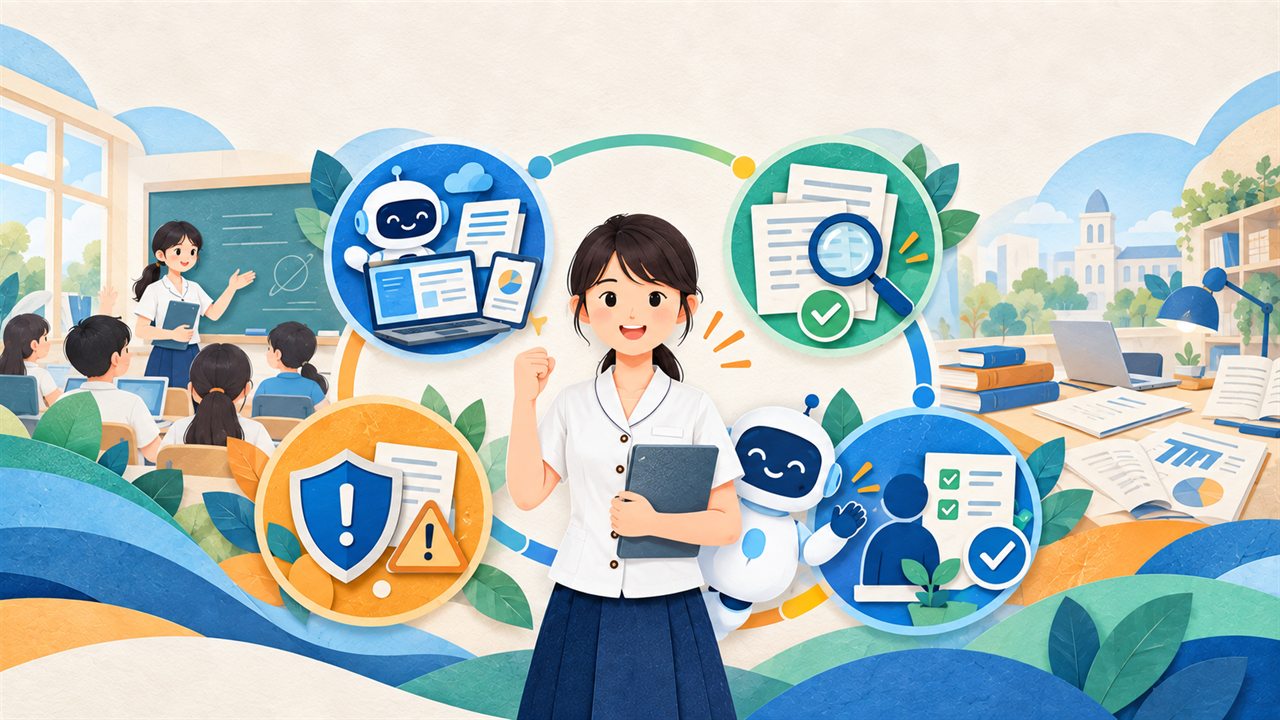
教師站在校園與教室場景中,身旁是 AI 機器人與查證、安全圖示
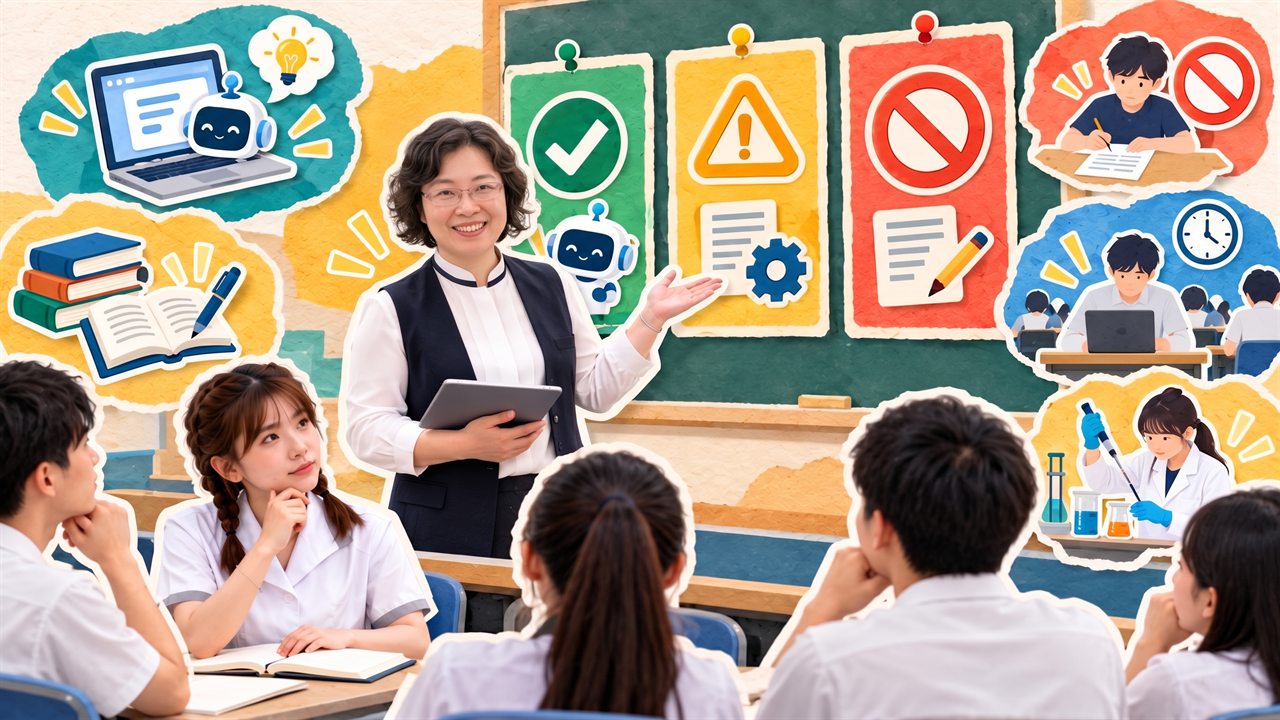
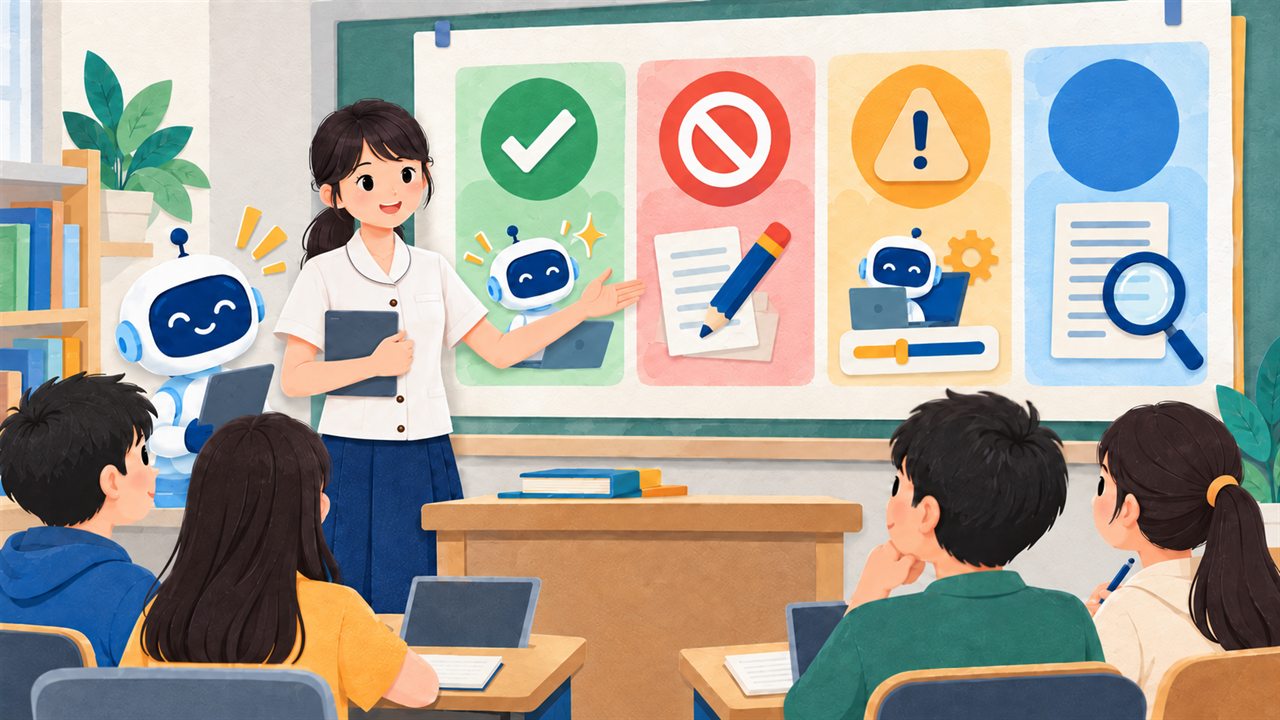
教師在課堂上說明 AI 可使用、禁止使用與需注意的項目

1課程規劃Course Planning

  • 使用範圍說明Specification of Permitted Uses

    授課教師宜依課程目標、教學內容及評量方式,於課程大綱中說明 AI 可使用或禁止使用的學習活動、作業與評量項目,以及相關限制條件與揭露要求。

    In accordance with course objectives, instructional content, and assessment methods, instructors should specify in the course syllabus the learning activities, assignments, and assessments for which AI use is permitted or prohibited, as well as any applicable conditions, limitations, and disclosure requirements.

  • 規範與責任宣導Communication of Rules and Responsibilities

    教師宜向學生說明課程 AI 使用規範,並將學術誠信、使用揭露及相關風險適度納入課程說明。

    Instructors should explain course-specific AI policies to students and, where appropriate, incorporate academic integrity, AI-use disclosure, and relevant risks into course guidance.


教師運用 AI 協助設計教材與教學活動

2教材與教學評量Teaching Materials and Assessment

  • 教材與教學活動Teaching Materials and Learning Activities

    教師可運用 AI 協助教材設計及教學活動,並應審查及修正生成內容。

    Faculty may use AI to assist in developing teaching materials and instructional activities but should review and revise AI-generated content before use.

  • 評量設計Assessment Design

    教師宜因應 AI 工具的使用調整評量方式,除最終成果外,亦可將 AI 使用說明、學習歷程及反思紀錄納入評量。

    Faculty should consider adapting assessment methods in response to the use of AI tools. In addition to evaluating final outputs, assessments may incorporate descriptions of AI use, records of the learning process, and reflective accounts.

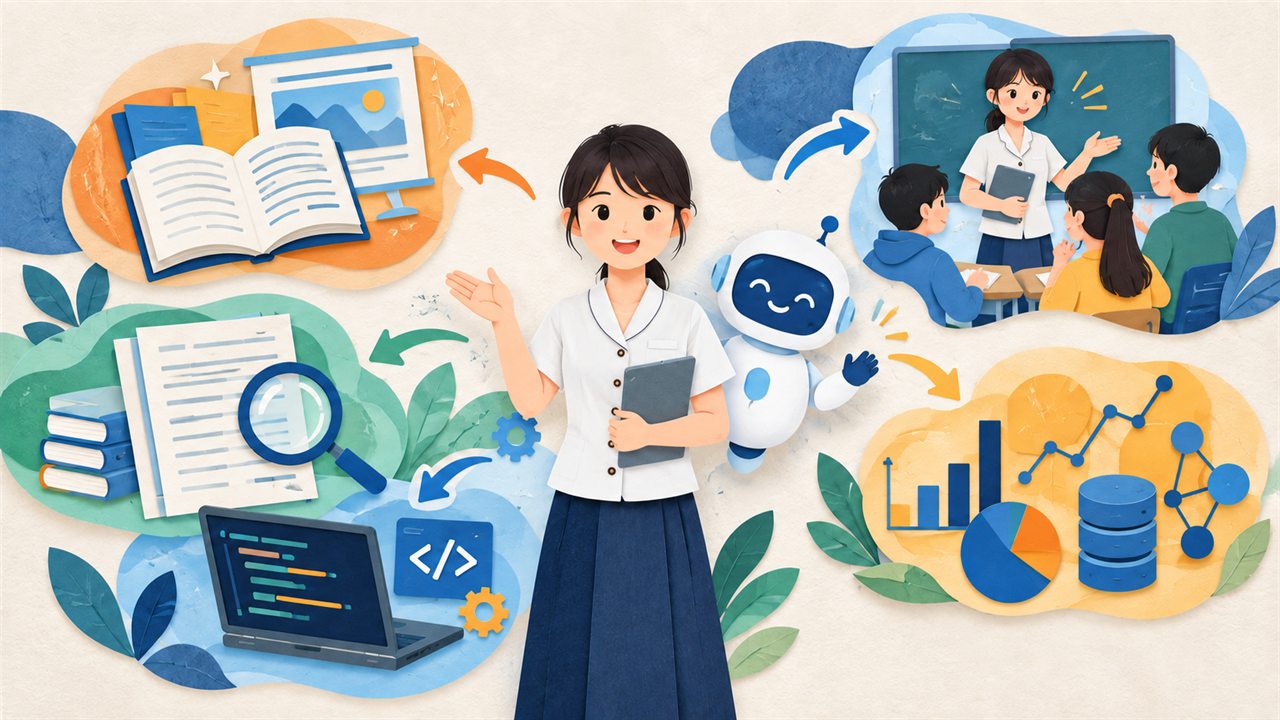
教師運用 AI 協助文獻探索、程式撰寫與資料分析

3研究應用Research Applications

  • 研究規劃Research Planning

    AI 可協助文獻探索、架構整理、方法建議、程式撰寫及資料分析,但研究核心理念與學術判斷應由研究者完成。

    AI may assist with literature exploration, structural organization, methodological suggestions, programming, and data analysis. However, the core research concepts and academic judgments should remain the responsibility of the researcher.

  • 資料與倫理Data and Research Ethics

    不得利用 AI 偽造、變造或補造研究資料;涉及受試者或未公開研究資料者,應遵守研究倫理、個資及資料安全規範,研究成果並應依相關規定揭露 AI 使用情形。

    AI must not be used to fabricate, falsify, or improperly generate research data. When research involves human participants or unpublished research data, researchers should comply with applicable requirements concerning research ethics, personal data protection, and data security. The use of AI in research outputs should also be disclosed in accordance with relevant requirements.

學生篇STUDENTS

學生面Guidelines for Students

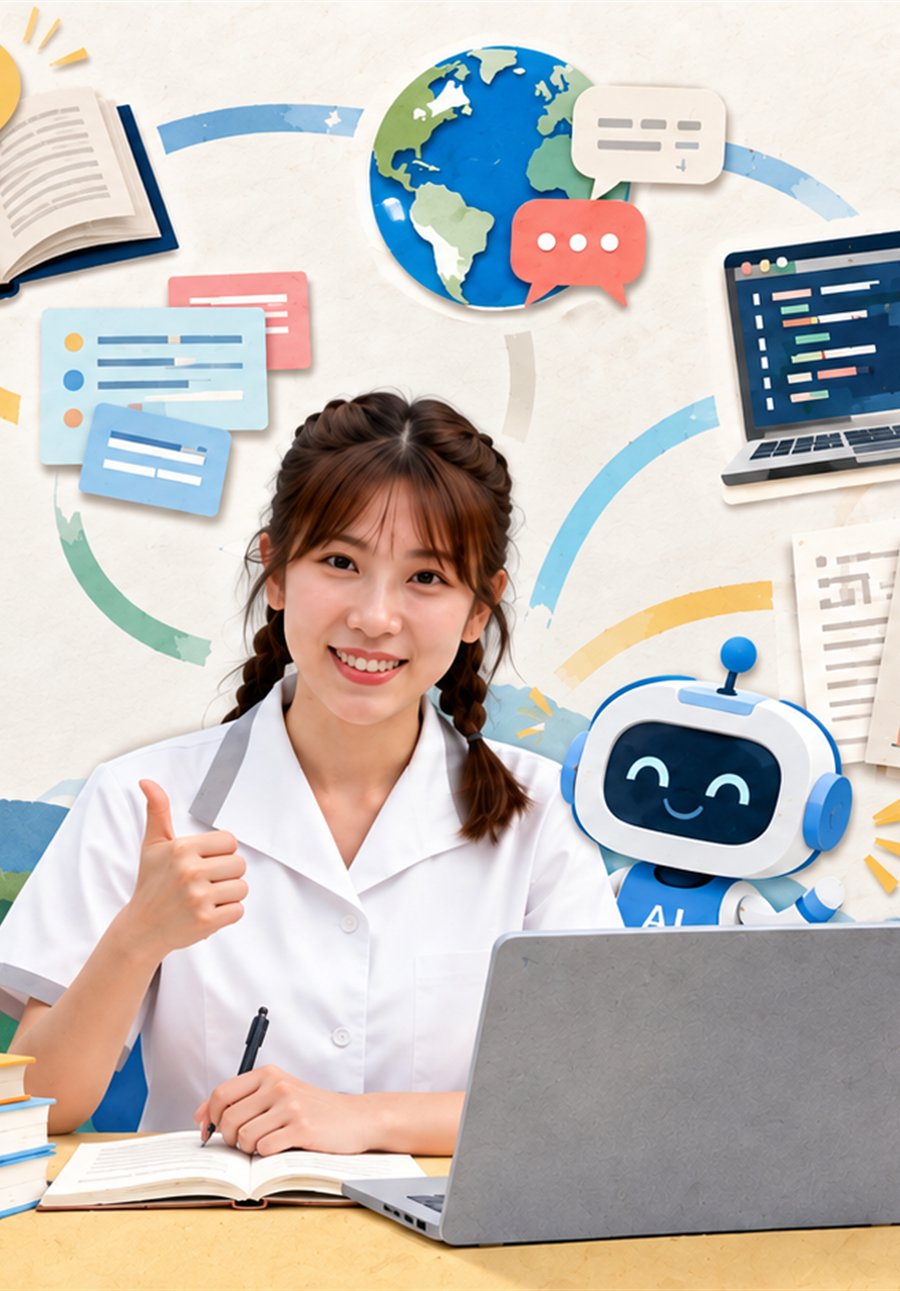
學生可將 AI 作為學習與研究輔助工具,運用於概念理解、重點整理、語言學習、創意發想、程式學習、自我測驗、研究探索及跨領域學習。使用過程中,宜培養提問、生成、查證、比較、修正、反思與負責的使用習慣,並注意 AI 幻覺、偏誤、深度偽造、隱私、資訊安全及智慧財產權等風險。

Students may use AI as a supplementary tool for learning and research, including conceptual understanding, summarization, language learning, creative ideation, programming practice, self-assessment, research exploration, and interdisciplinary learning. In using AI, students should develop responsible practices that include formulating questions, generating content, verifying information, comparing results, revising outputs, reflecting on the process, and taking responsibility for their work. Students should also remain aware of risks associated with AI hallucinations, bias, deepfakes, privacy, information security, and intellectual property rights.

好的使用習慣A RESPONSIBLE ROUTINE

  1. 提問
  2. 生成
  3. 查證
  4. 比較
  5. 修正
  6. 反思
  7. 負責
  1. Ask
  2. Generate
  3. Verify
  4. Compare
  5. Revise
  6. Reflect
  7. Take responsibility
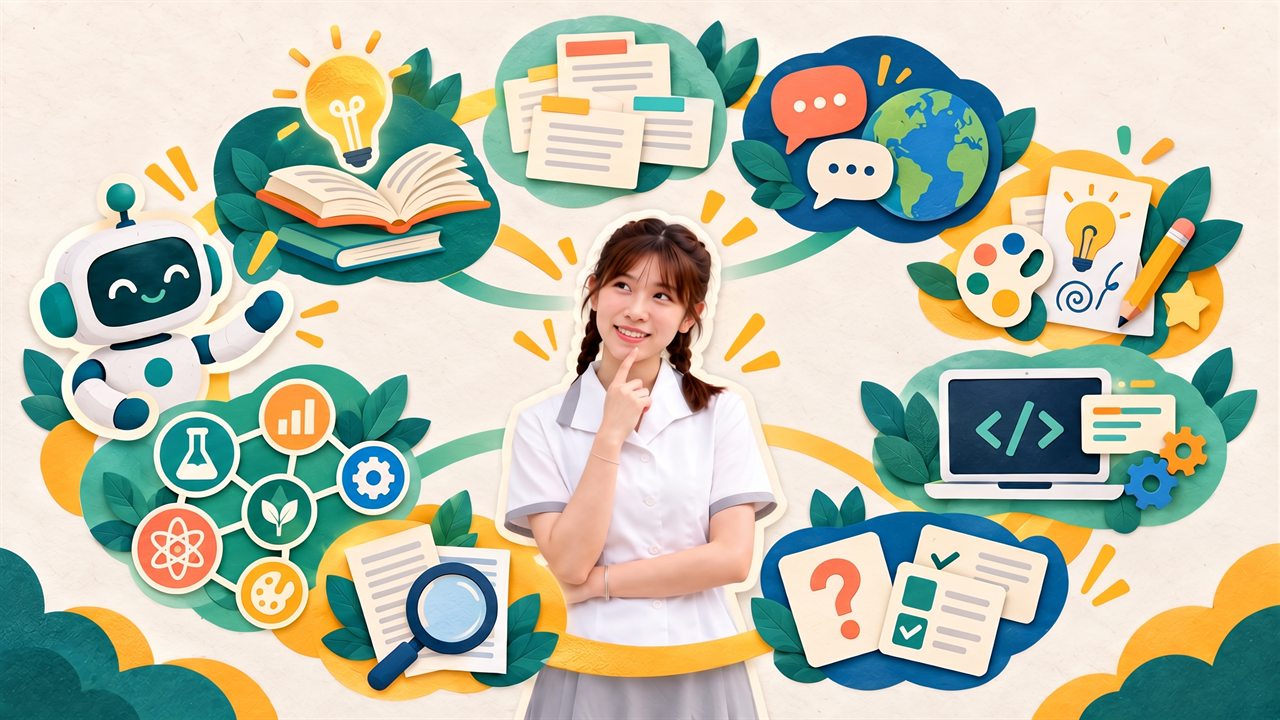
學生與 AI 機器人,周圍是閱讀、語言、創意、程式、自我測驗與研究探索等學習情境
教師在課堂上向學生說明 AI 可用、需注意與禁止的情境

1課程學習Course Learning

  • 遵守課程規範Compliance with Course Requirements

    學生應依課程大綱及授課教師公告的 AI 使用聲明使用 AI,不得違反限制或禁止事項。

    Students should use AI in accordance with the course syllabus and AI-use policies announced by the instructor and must not violate any restrictions or prohibitions.

  • 理解與驗證Understanding and Verification

    學生應理解並驗證 AI 協助產生的文字、程式、圖像、分析結果或其他成果,不得直接提交未經檢核的內容。

    Students should understand and verify AI-assisted text, code, images, analytical results, or other outputs and should not directly submit content that has not been properly reviewed and validated.

  • 自主學習Independent Learning

    學生可運用 AI 取得概念解釋、練習與回饋,但不應以 AI 生成的內容完全取代教材或原始資料的閱讀與理解。

    Students may use AI to obtain conceptual explanations, practice opportunities, and feedback. However, AI-generated content should not completely replace the reading and understanding of course materials or original sources.

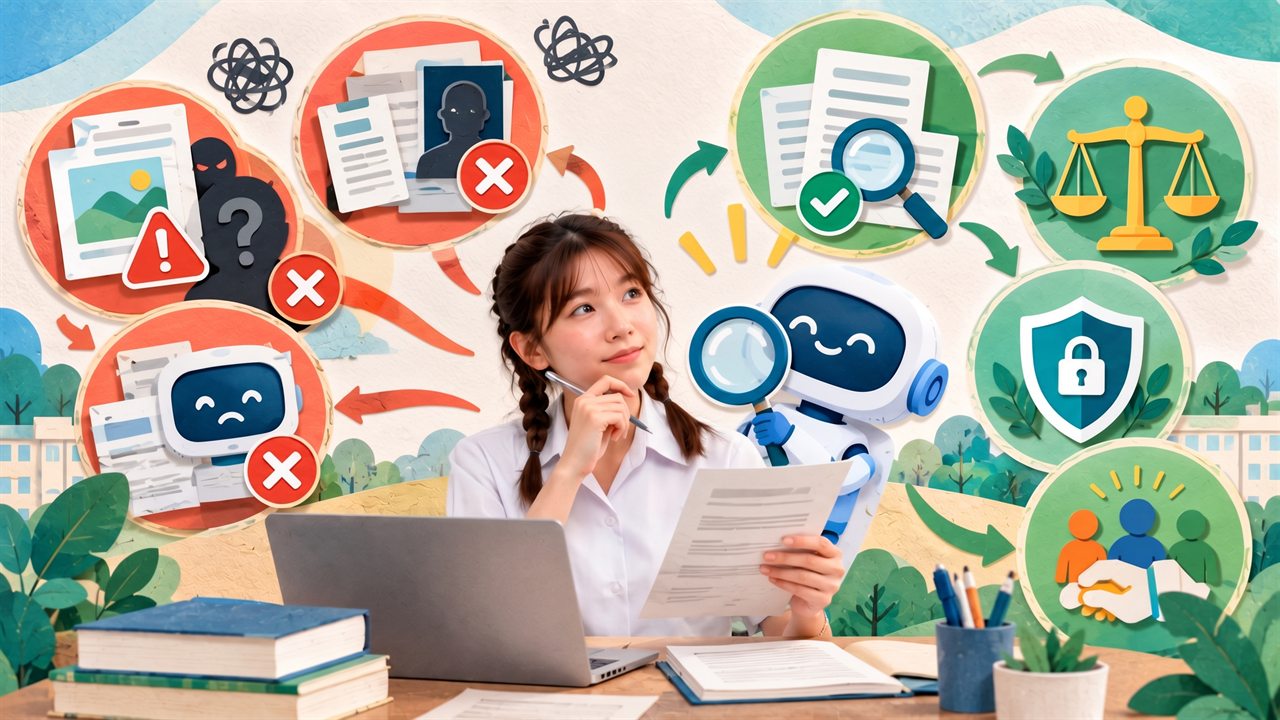
學生與 AI 機器人一起查證資料,排除錯誤與來源不明的內容

2作業、研究與評量Assignments, Research, and Assessment

  • 維持原創Maintain Originality

    不得利用 AI 代寫、代答,或偽造、變造及補造資料;應保留自身的分析、判斷與表達。

    Students must not use AI to write or answer assignments on their behalf or to fabricate, falsify, or improperly generate data. Students should retain their own analysis, judgment, and expression in their work.

  • 查證引用Verify Sources and Citations

    AI 提供的文獻、數據及引用內容,應回到原始或可信來源查證,不得引用不存在或未經確認的資料。

    Literature references, data, citations, and other information provided by AI should be verified against original or credible sources. Students must not cite nonexistent or unverified sources.

  • 研究倫理Research Ethics

    涉及受試者、訪談、臨床、醫療或未公開研究資料時,應遵守研究倫理、個資與資安相關規範。

    When work involves human participants, interviews, clinical or medical information, or unpublished research data, students should comply with applicable requirements concerning research ethics, personal data protection, and information security.

  • 適當揭露Appropriate Disclosure

    使用 AI 協助作業、報告、論文或研究成果時,應依相關規定揭露使用情形。

    When AI is used to assist with assignments, reports, theses, dissertations, or research outputs, students should disclose such use in accordance with applicable requirements.

  • 評量規範Examination and Assessment Rules

    考試、測驗、口試或實作評量是否可使用 AI,應依授課教師及課程規定辦理。

    The use of AI in examinations, tests, oral examinations, or practical assessments should comply with the requirements established by the instructor and the course.

行政人員篇ADMINISTRATIVE STAFF

行政人員面Guidelines for Administrative Staff

行政人員得在符合業務規範、資訊安全、個人資料保護及保密義務的前提下,使用 AI 協助文件處理、資料整理、服務溝通、流程分析及決策準備。

Administrative staff may use AI to assist with document processing, data organization, service communication, process analysis, and decision preparation, provided that such use complies with administrative requirements, information security policies, personal data protection requirements, and confidentiality obligations.

行政人員站在校園與辦公室場景中,身旁是 AI 機器人與查證、安全圖示
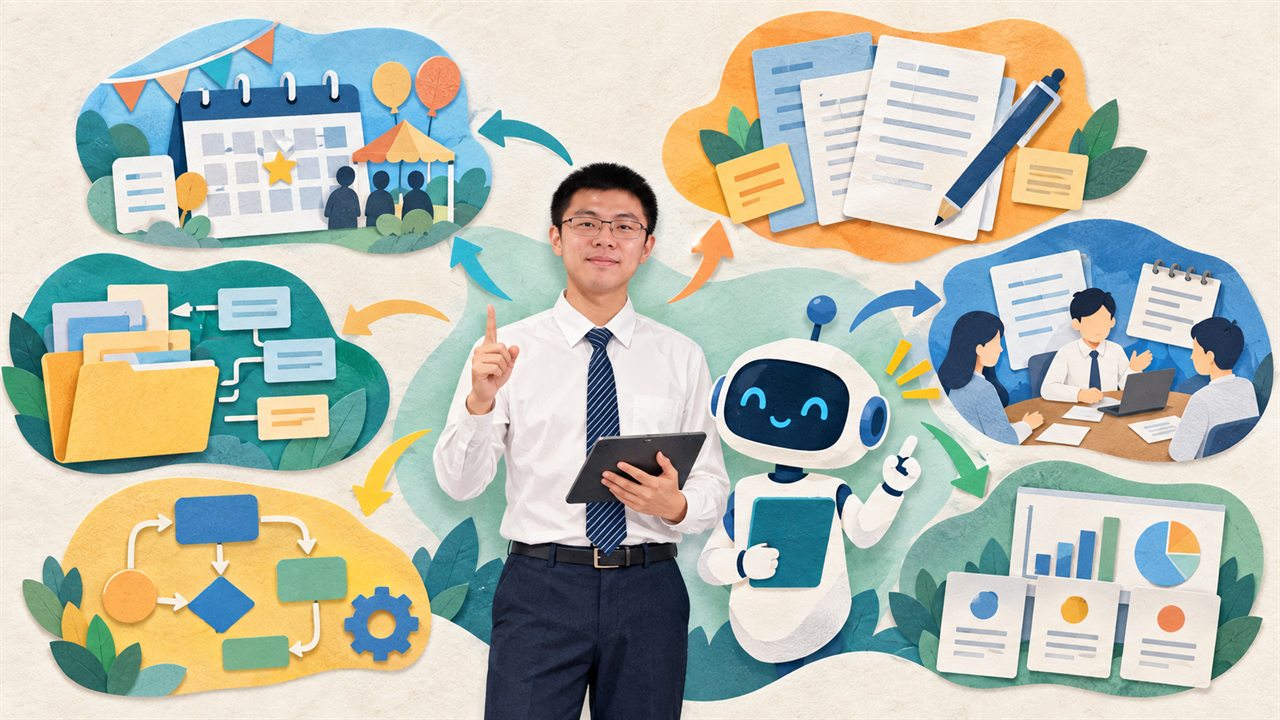
行政人員運用 AI 協助活動企劃、通知、會議紀錄與常見問答

1行政業務Administrative Operations

  • 文件處理Document Processing

    AI 可協助活動企劃、草擬通知、簡報大綱、一般性文案、會議紀錄、摘要、翻譯及常見問答,正式內容仍應人工審核。

    AI may assist in drafting event proposals, notices, presentation outlines, general-purpose content, meeting minutes, summaries, translations, and frequently asked questions. All official content should nevertheless be reviewed by appropriate personnel before use or release.

  • 資料整理Data Organization

    AI 可協助分類、格式轉換、流程梳理、資料視覺化及程式自動化,並應確認資料權限與結果正確性。

    AI may assist with data classification, format conversion, process mapping, data visualization, and programming automation. Users should verify data access permissions and the accuracy of the resulting outputs.

行政團隊開會討論,由權責人員審核 AI 提供的分析初稿

2決策與責任Decision-Making and Accountability

AI 可提供趨勢摘要、方案比較、政策檢索及決策分析初稿,但不得將未經確認的內容直接作為行政決策依據。

涉及師生權益、評議、審查、核定、獎懲、聘任、考核或採購等事項,仍應由權責人員依規定判斷與審核。

AI may be used to provide trend summaries, compare alternatives, retrieve policy information, and prepare preliminary decision analyses. However, unverified AI-generated content must not be used directly as the basis for administrative decisions.

Matters involving the rights and interests of faculty, staff, or students, as well as evaluations, reviews, approvals, rewards and disciplinary actions, appointments, performance assessments, procurement, or other official decisions, should continue to be judged and reviewed by authorized personnel in accordance with applicable regulations and procedures.

全校適用FOR EVERYONE

持續學習與 AI 素養培力Continuous Learning and AI Literacy Development

  • 持續學習Continuous Learning

    全校教職員生宜持續了解 AI 技術、平台政策、應用方式、法規規範及相關風險的最新發展。

    All faculty, staff, and students are encouraged to remain informed about the latest developments in AI technologies, platform policies, applications, laws and regulations, and associated risks.

  • 專業培訓Professional Development

    鼓勵教職員生參與校內外 AI 培訓課程、實務工作坊及議題研討活動,提升 AI 應用、內容查證、風險辨識及負責任使用的能力。

    Faculty, staff, and students are encouraged to participate in internal and external AI training programs, practical workshops, and seminars to strengthen their capabilities in AI application, content verification, risk identification, and responsible AI use.

  • 社群交流Community Exchange

    鼓勵組成跨領域 AI 學習社群,分享教學、學習、研究及行政應用經驗,促進跨單位交流與合作。

    The University encourages the establishment of interdisciplinary AI learning communities to share experiences in teaching, learning, research, and administrative applications and to promote collaboration and exchange across academic and administrative units.

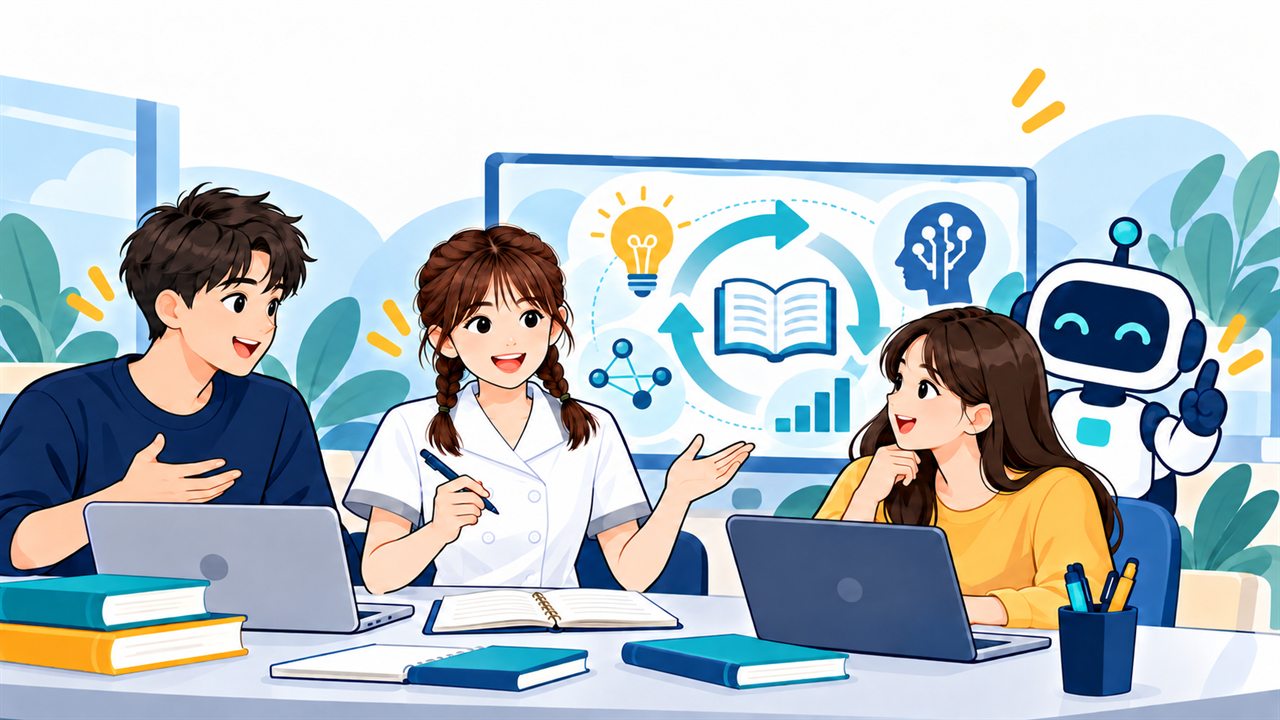
學生們與 AI 機器人圍坐討論、一起學習
全校適用FOR EVERYONE

資料安全與保密規範Data Security and Confidentiality

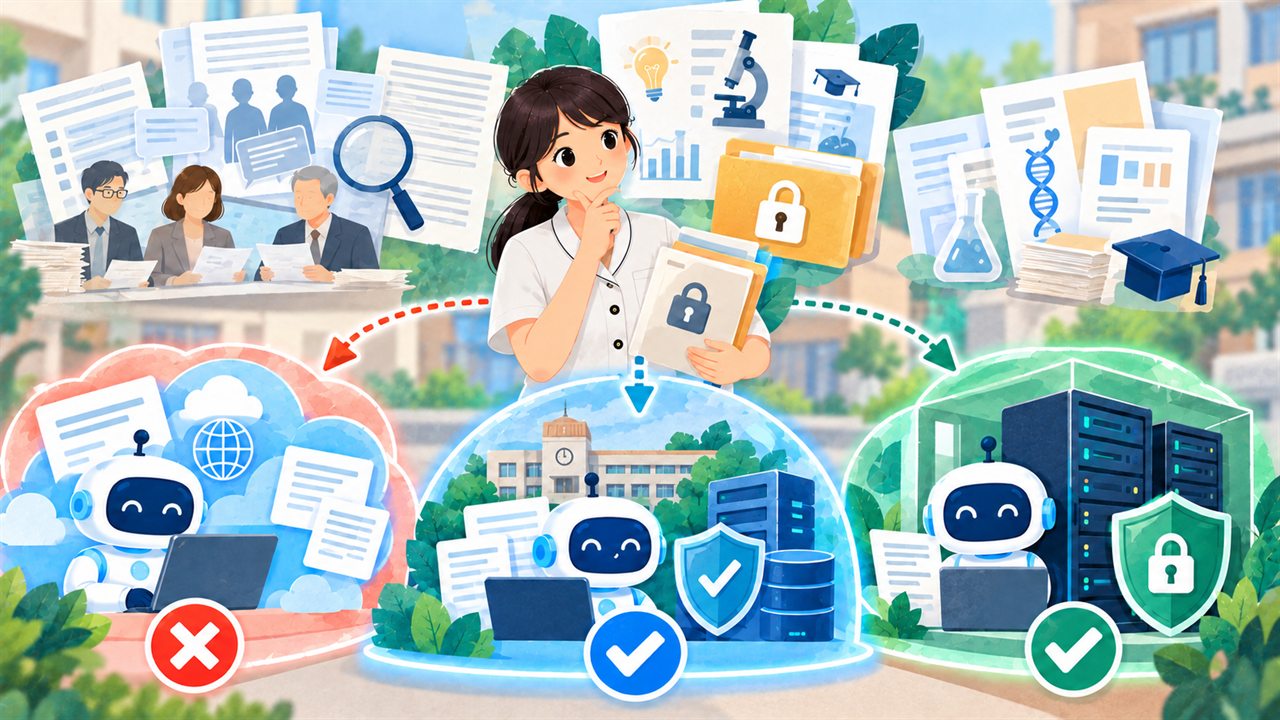
輸入 AI 之前,先想一想:這份資料可以離開學校嗎?

Before you type anything into an AI tool, ask yourself: is this data allowed to leave the University?

依資料性質選擇公開型 AI、學校採購的 AI 服務,或校內地端 AI

工具選擇Selection of AI Tools

使用者應依資料性質、敏感程度及使用情境,適當選用公開型 AI、學校採購之 AI 服務或校內私有與地端 AI,並遵守各類工具之資料使用與資訊安全規範。

Users should select appropriate AI tools based on the nature and sensitivity of the data and the context of use. These may include publicly available AI services, AI services purchased or provided by the University, or University-hosted private or on-premises AI systems. Users should comply with the applicable data-use and information-security requirements for each type of tool.

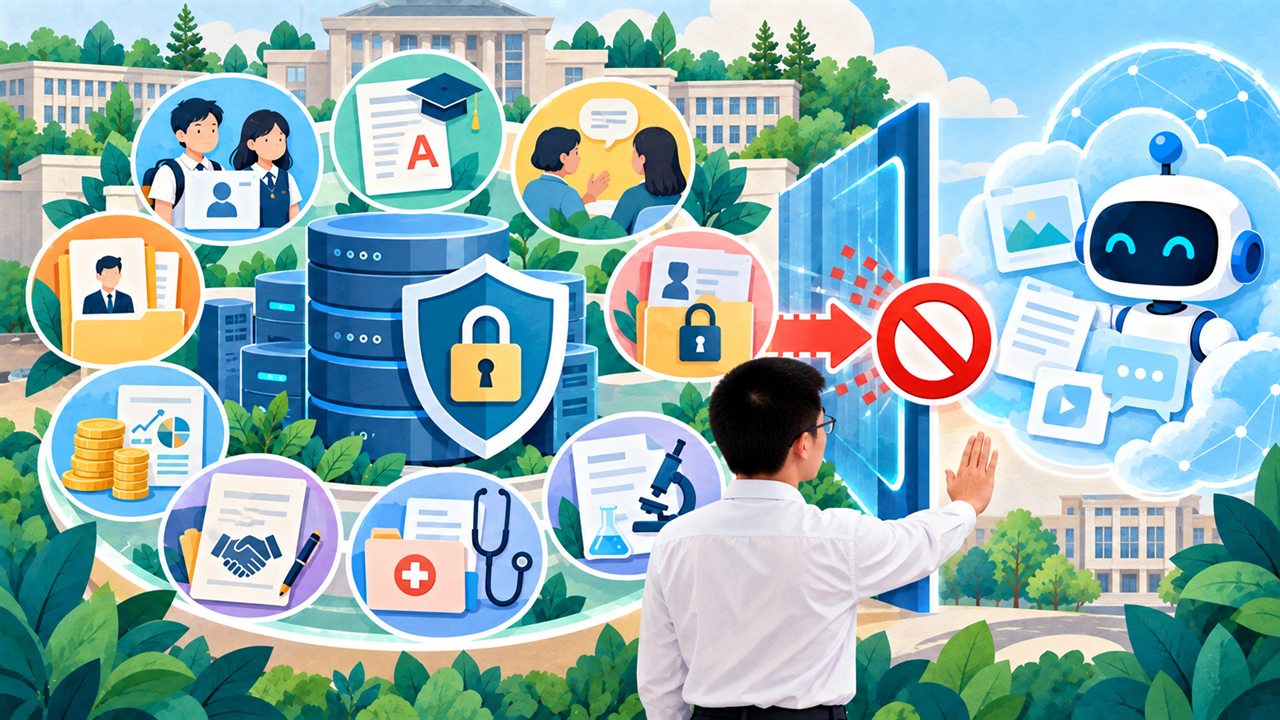
個資、成績、人事、財務與醫療等敏感資料被擋在公開型 AI 之外

敏感資料Sensitive Data

不得將學生或教職員個資、可識別個人之成績、輔導、人事、財務、契約、醫療、健康、研究或未公開資料輸入公開型 AI 工具。

Users must not enter personal data of students, faculty, or staff; personally identifiable grades or academic records; counseling records; personnel information; financial information; contractual information; medical or health information; research data; or other non-public information into publicly available AI tools.

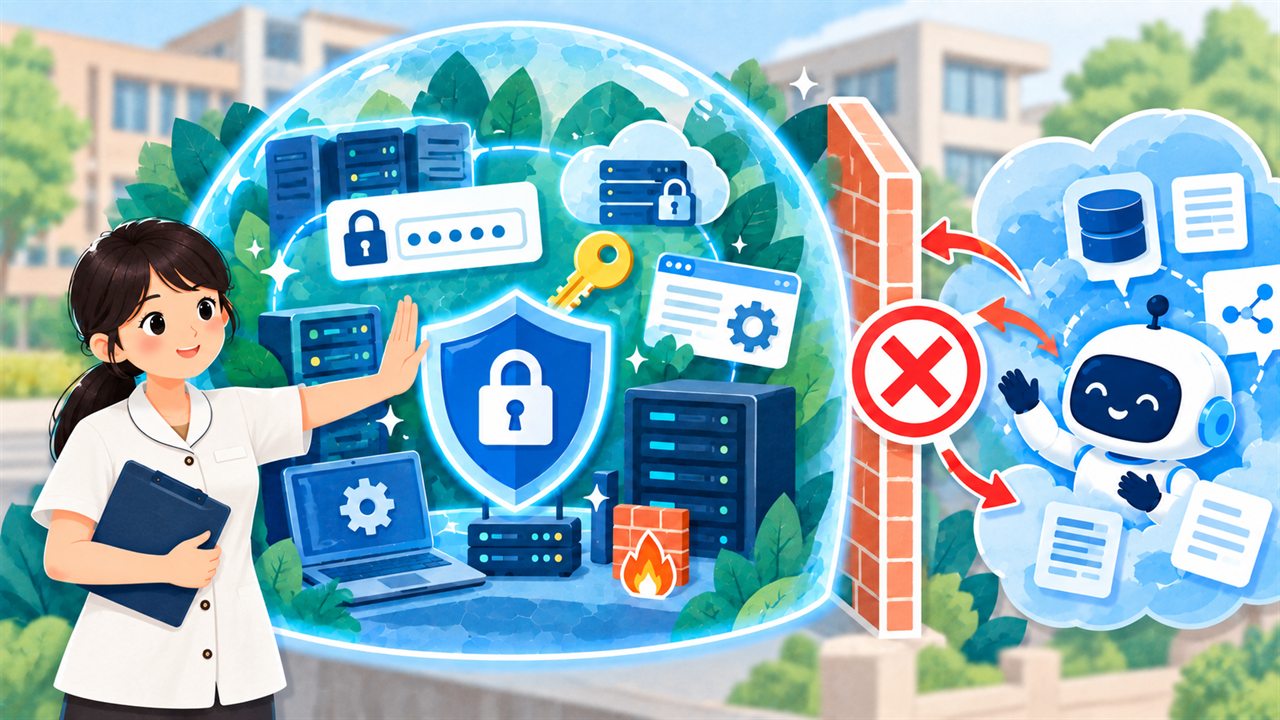
帳號密碼、金鑰與伺服器設定被防火牆擋在 AI 之外

系統安全System Security

不得輸入帳號密碼、API 金鑰、伺服器設定、資安弱點或其他可能影響資訊安全的資料。

Users must not enter account credentials, passwords, API keys, server configurations, security vulnerabilities, or other information that could compromise information security into AI tools.

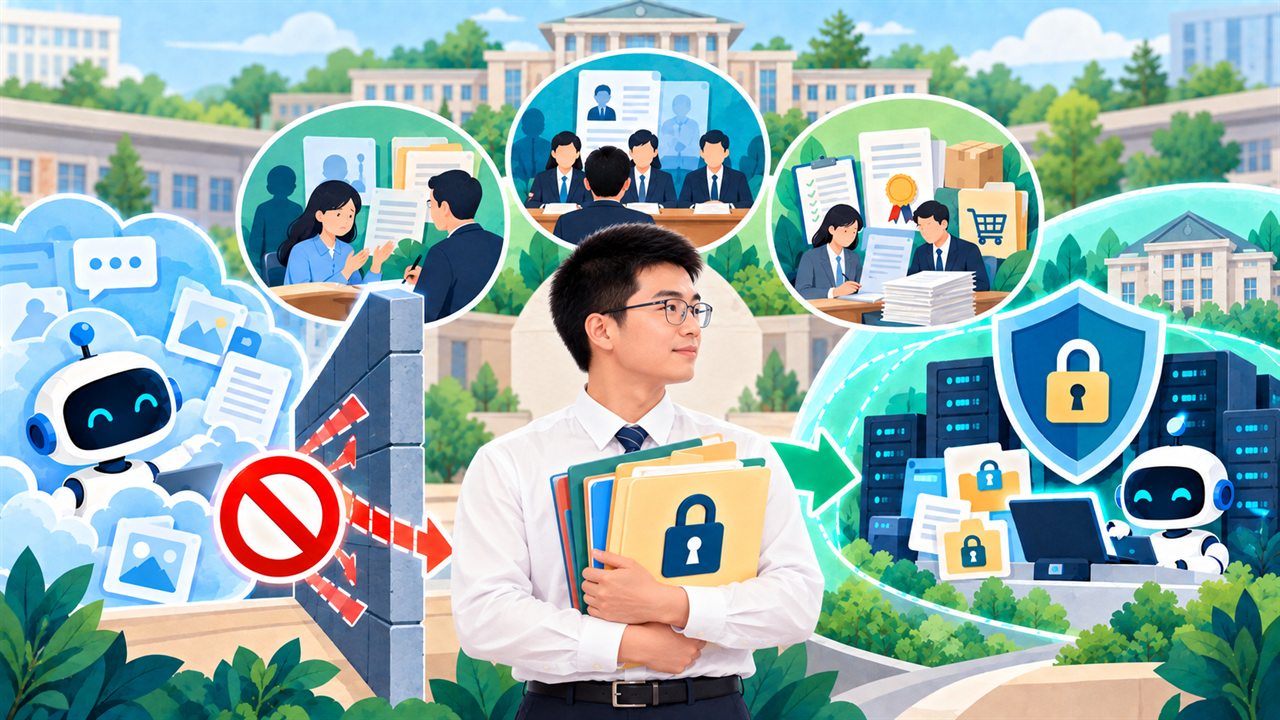
行政人員抱著上鎖的機密文件,公開型 AI 被擋在牆外

保密情境Confidential Contexts

於同儕審查、研究計畫審查、人事評議、申訴處理、採購評選或其他具保密義務的情境中,應避免使用公開型 AI 工具處理相關資料。

In contexts subject to confidentiality obligations, including peer review, research proposal review, personnel evaluation, grievance or appeal handling, procurement evaluation, or other confidential proceedings, users should avoid using publicly available AI tools to process relevant information.

指引檢視與修正Review and Revision of the Guidelines

生成式 AI 技術、平台政策、學術出版規範及相關法規持續變動,本指引應由本校相關單位定期檢視,並依教育、個人資料保護、資通安全、學術倫理、研究倫理及校務發展需求滾動修正。

As generative AI technologies, platform policies, academic publishing standards, and applicable laws and regulations continue to evolve, these Guidelines should be reviewed periodically by the relevant units of the University and revised as necessary in accordance with developments and requirements concerning education, personal data protection, information and communications security, academic integrity, research ethics, and the University's institutional development needs.

↑